

SIHELI Concept Note — Summary
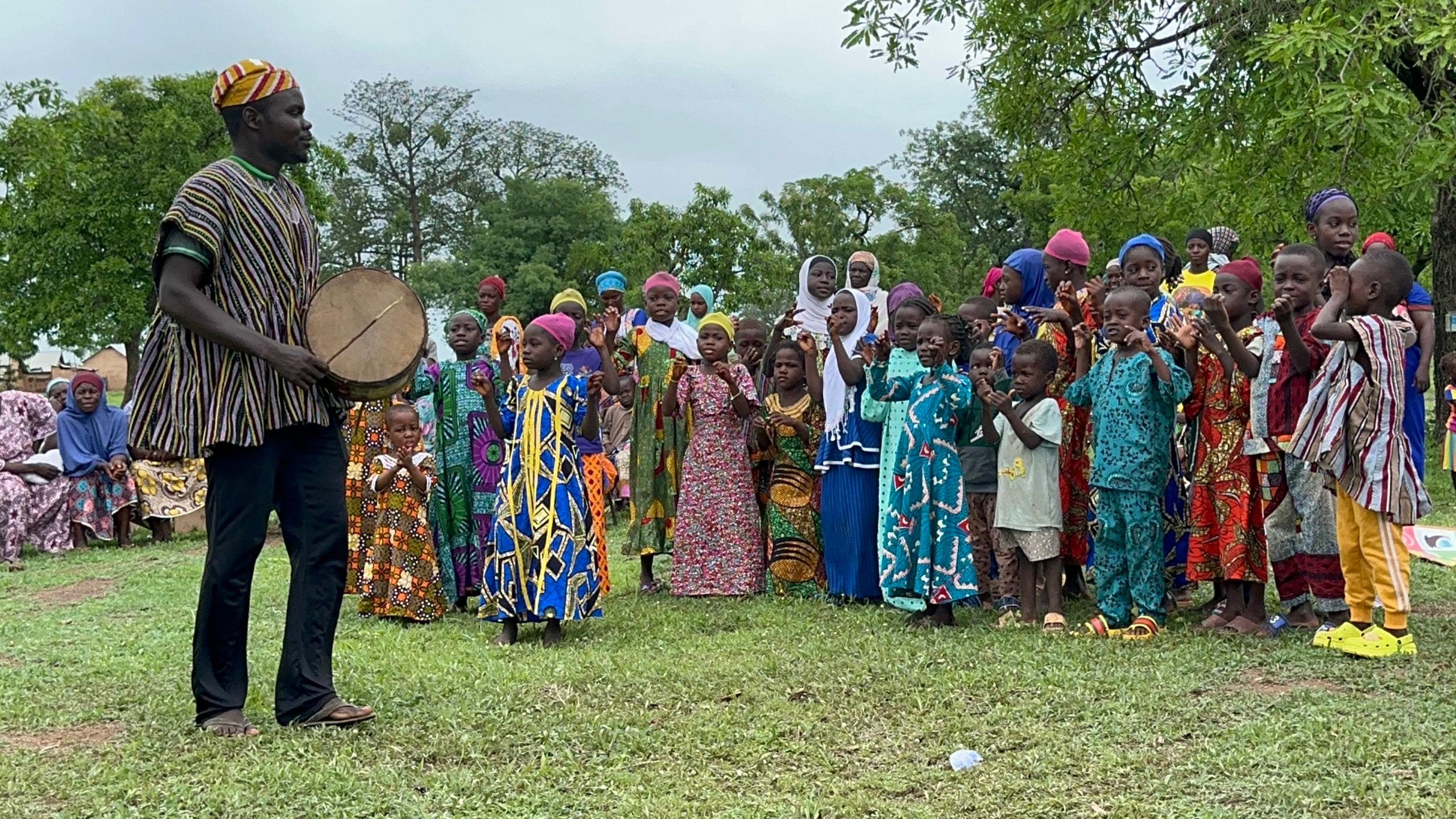
The Scaling Inclusive Home-Based Early Learning Initiative (SIHELI) is a 33-month project led by Prof. Godfrey Ejuu (Kyambogo University, Uganda) with Co-PIs Dr. Leslie Casely-Hayford (Associates for Change, Ghana) and Prof. Samuel Duo (Nimba University, Liberia), aimed at generating evidence to scale a hybrid Early Childhood Development model — blending home-based and center-based learning, linked to health services, and managed by parents and communities — across 15 centers total (5 each in Uganda, Liberia, and Ghana, with Ghana’s centers in the Nanton District), running a structured weekly schedule that combines cultural storytelling and life-skills days with literacy/numeracy instruction and free play, includes Individualized Education Plans for children with disabilities, and layers in disability screening, a parent savings cooperative, livelihood training, and community showcase days, all implemented through a five-phase action research methodology culminating in a randomized control trial, targeting 150 children, 150 parents, 10 ECE teachers, 10 education officials, and 50 community leaders in Ghana, with support from Ghana Education Service, Ghana Health Service, rural banks, CSOs, and learning partners Sabre Education and Lively Minds.
SIHELI Baseline Study Policy Brief — Summary
For decades, children aged 3-6 years, in many rural areas in Ghana including the Ekumfi and Nanton Districts do not have access to early childhood education. Children with limited options, daily travel 2 km or more to access education in communities where schools are available. This affects their participation in school, leading to dropouts and negative effects on their health and wellbeing. The inability of caregivers to carry them to school due to financial constraints also contributes to the situation. The status quo implies that most children are left at home in the care of neighbors, and extended family relations which often expose them to risky behaviors and brawls thereby compromising their safety and their progress across all dimensions (e.g., cognitive, socioemotional, economic). Yet, existing evidence (see Nafungo & Ejuu, 2022)1 shows that inclusive home-based early learning models (e.g., IHELP) could address early learning access challenges, encourage regular attendance and provide contextually relevant education to children especially CWDs and families, particularly in remote and underserved areas. The IHELP model has been scaled to Ghana (as SIHELI)2 and currently implemented in five (5) rural communities in the Nanton District. Prior to implementation, a baseline study was conducted in the Ekumfi and Nanton districts and the following key issues emerged